Cost of Living in a Medieval Society
An Interactive Role-Playing Workshop
Date & time
4 November 2026 | 18.00-20.00
Event format
Attend event in person
Event type
Participatory interactive event
Event topic
Business, finance & economics, Money & finance
Audience
Adults
Academic discipline
Economic and social history, Economics management and business studies
Venue
G11 (Lecture Theatre 2)
Univeristy of Birmingham
Edgbaston
Birmingham
B15 2TT

Money & finance theme
What's on offer?
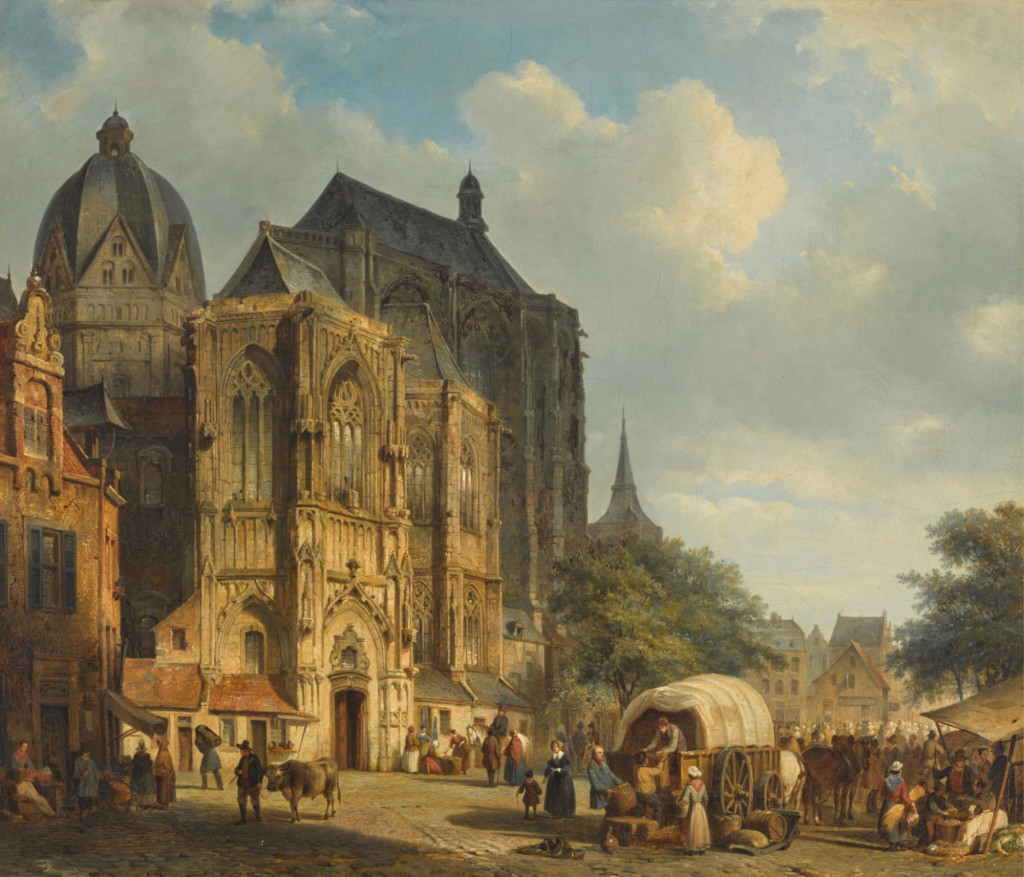
This two hour, interactive role playing workshop explores how an economic crisis affects different groups in society depending on their wealth, power, and institutional position. Using the medieval grain crisis of 1315 as its setting, it addresses:
Why the same shock can be a minor inconvenience for some but a catastrophe for others.
How the choices of those with power — to tax, to hoard, to regulate, to share — determine whether a crisis deepens or is contained.
How markets behave under scarcity, and why individual rational decisions can make the collective situation better or worse.
How communities can organise to protect the most vulnerable — and what happens when they don’t.
These questions are drawn from current social science research on inequality and economic resilience and are directly relevant to contemporary cost-of-living debates.
Attendees can expect a lively, social, hands-on experience — not a lecture. You will be assigned a role (medieval lord, monk, merchant, or peasant), given resources to manage, and faced with genuinely difficult choices: do you share your grain or hoard it? Do you tax the poor or protect them? Do you profiteer from scarcity or invest in collective survival? The decisions are yours, the consequences are real within the game, and the conversations around the tables are where the real learning happens.
No knowledge of economics or medieval history is needed — everything is explained as you go. You will leave with a clearer understanding of how economic shocks ripple through an unequal society, why some policy responses help and others harm, and how the structural dynamics of 1315 remain strikingly relevant to the headlines of today.
The workshop is suitable for ages 18 and above. It involves group discussion and negotiation but no physical activity. Refreshments will be available.
What's it about?
A participatory role-playing workshop in which members of the public take on the roles of different social classes in medieval England and collectively navigate the Great Famine of 1315. The workshop uses the medieval grain crisis as an accessible politically neutral lens through which to explore questions that are urgently contemporary: how do external economic shocks affect different social groups unequally? Why are the poorest households hit hardest, even when they produce essential goods? And what role do institutional responses — government intervention, market behaviour, community solidarity — play in cushioning or compounding a crisis?
Who's leading the event?
Dr Mary Dawood of Depatment of Economics at University of Birmingham
Dr Kamilya Suleymenova of Department of Economics at University of Birmingham
Open to
Open to adults (18+) of all walks of life
Of particular interest to
Of a particular interest to people who want to know more about economics and how it factors into everyday decision-making.
May be of interest to people who like history and roleplaying simulations.
Related events
More events from University of Birmingham