Syria after Assad
A reporter’s view on a nation in transition
Date & time
3 November 2025 | 18.30-20.00
Event format
Hybrid both in person and online
Event type
Talk / panel debate
Event topic
Politics & protest
Audience
All
Academic discipline
Politics and international relations
Venue
Sheikh Zayed Theatre, Cheng Kin Ku Building, LSE campus
What's on offer?
An hour-long talk by Raya Jalabi, Middle East correspondent for the Financial Times, examining Syria’s fraught first year in the aftermath of Bashar al-Assad’s fall. The talk will be followed by a 30-minute audience Q&A.
What's it about?
In Damascus, the streets hum with the prospect of returning commerce and a flurry of international diplomacy. Yet beyond the capital’s reach, scars of conflict still linger: villages emptied by displacement, communities unsettled by cycles of revenge and the scourge of poverty in a country where trauma, fear and hope for a new future are frenetically enmeshed.
At its centre is Ahmed al-Sharaa, the former rebel commander who has recast himself as the country’s new powerbroker. His efforts to steady a nation scarred by 14 years of conflict have been defined by competing pressures: restive minorities demanding greater autonomy, the persistence of revenge killings and social upheaval, and the delicate task of reintroducing Syria to the international stage.
Raya Jalabi, Middle East correspondent for the Financial Times, will look at how Sharaa has navigated these crosscurrents in his first year and consider whether his grip on power can hold.
This talk is being held as part of the annual Ian Black Memorial Lecture Series.
Who's leading the event?
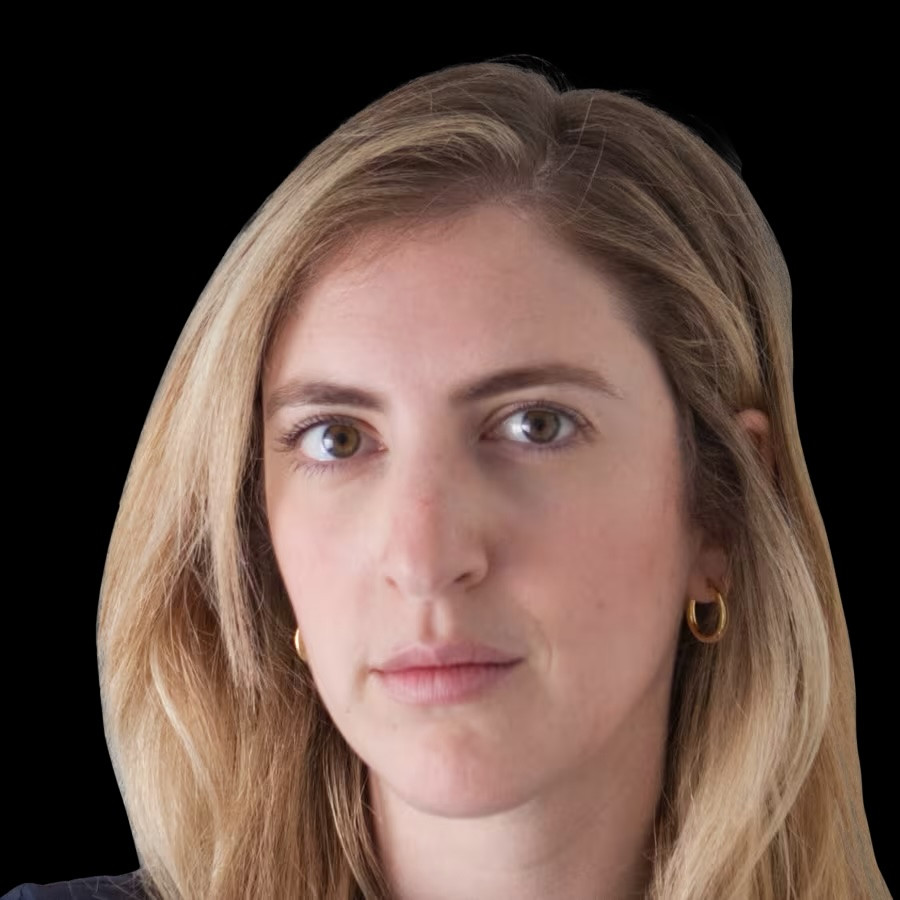
- Raya Jalabi, Middle East Correspondent for the Financial Times covering Iraq, Syria and Lebanon from her base in Beirut.
- Chaired by Katerina Dalacoura, Associate Professor in International Relations at LSE and Director of LSE Middle East Centre.
Open to
All welcome
Of particular interest to
Of particular interest to those interested in Syria and the Middle East
Event booking deadline
Online registration is open. To attend in person, you can request one ticket via the online ticket request form until all tickets are allocated. For any queries, email events@lse.ac.uk.
Related events
More events from London School of Economics and Political Science